


Renting on a Budget? How to Choose the Right Location and Get Better Value




A $50-per-week saving on rent can feel like a win, but what if it adds an extra hour to your daily commute, higher fuel costs, or makes every day errands less convenient?
In today's rental market, affordability isn't simply about finding the cheapest property. It's about understanding the true cost of where you live and how that location supports your lifestyle, work commitments and future goals.
With many Australian households feeling the impact of ongoing cost-of-living pressures, renters are increasingly weighing up affordability, convenience and liveability when deciding where to call home. The good news is that making a smart rental decision isn't always about spending less. Often, it's about getting better value from your budget.

Start with Your Real Budget, Not Your Maximum Budget.
Before you begin searching, it's important to understand not only how much rent you can afford, but how much rent you're comfortable paying while still maintaining the lifestyle you want.
According to the Real Estate Institute of Australia, as of March quarter 2026, most Australians spend 23.9% of their income on rent, which is an increase since March quarter 2025 (23.7%).
Many renters make the mistake of working backwards from their maximum borrowing or spending capacity. Instead, consider the full picture:
- Utilities and internet
- Public transport, fuel and tolls
- Vehicle maintenance and parking
- Childcare and schooling expenses
- Groceries and household essentials
- Health and insurance costs
- Entertainment and lifestyle spending
- Savings and emergency funds
A property that stretches your budget may look manageable on paper, but can leave little room for unexpected expenses or future goals.

Focus on Value, Not Just Rent
According to the Real Estate Institute of Australia, rental affordability has remained broadly stable in the past 12 months to March quarter 2026. However, when rental affordability is a concern, it's natural to compare properties based on weekly rent alone. However, the cheapest property isn't always the best financial decision.
Consider two properties:
- Property A is $50 per week cheaper but requires an additional 45-minute commute each day.
- Property B costs more but is located closer to work, public transport and essential services.
Over time, the additional fuel costs, parking fees and time commitment associated with Property A may outweigh the rental savings.
When assessing a property, think about:
- Daily commute times
- Public transport access
- Proximity to schools and childcare
- Nearby shopping and services
- Healthcare facilities
- Community amenities
- Work-from-home suitability
A slightly higher weekly rent can sometimes deliver significantly better value and quality of life.
While a higher weekly rent may increase housing costs, it may also provide better access to employment, transport and local amenities, contributing to better overall living outcomes. Australian Housing and Urban Research Institute in their “Measuring housing affordability: Scoping the real cost of housing” report in 2024 highlights that housing affordability should be considered alongside housing quality, location and transport.

Think About Your Lifestyle Return on Investment
Every rental decision involves trade-offs.
While affordability matters, it's equally important to consider what you gain in return for your housing costs.
Ask yourself:
- Will I spend less time commuting?
- Am I closer to family or support networks?
- Is the location convenient for work or study?
- Can I access the services and amenities I use regularly?
- Will I enjoy living here day to day?
The best-value rental property isn't always the cheapest option. It's often the one that provides the greatest overall benefit to your lifestyle while remaining affordable for your household budget.

Identify Your Non-Negotiables
When affordability is challenging, compromise may be necessary. Understanding your priorities before you start searching can help you make better decisions and avoid wasting time.
Try separating your needs into two categories.
Essential Requirements
- Number of bedrooms
- Public transport access
- School catchment requirements
- Pet-friendly accommodation
- Accessibility features
- Proximity to work or study
Preferred Features
- Larger outdoor space
- Additional living areas
- Newer finishes
- Walkability to cafes and restaurants
- Premium suburb locations
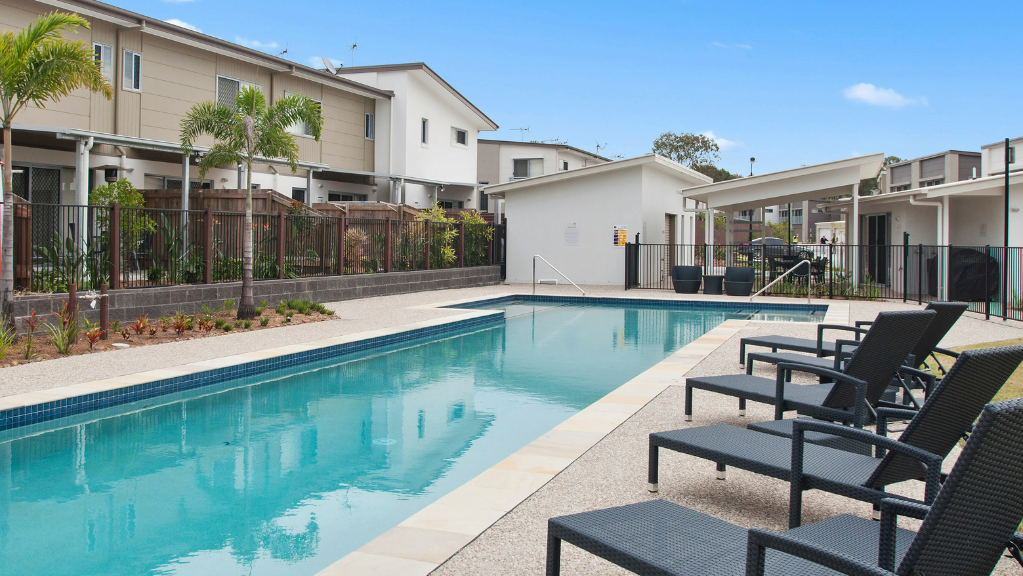
- Resort-style facilities
Knowing the difference between a need and a want can help you stay focused when comparing properties.

Be Open to Neighbouring Suburbs
One of the biggest misconceptions in today's market is that affordability and liveability don't go together.
In reality, some of the best rental opportunities can often be found just outside the most popular and competitive suburbs.
Local rental markets can vary significantly, even between suburbs only a few kilometres apart. Expanding your search area may uncover properties that offer:
- Better value for money
- More space
- Newer homes
- Less competition
- Similar access to transport and amenities
Many renters are surprised by what they find once they broaden their search beyond their original target area.
Don't Forget the Hidden Costs of Moving
When comparing rental options, many people focus on weekly rent and overlook the cost of moving itself.
Depending on your circumstances, moving can involve:
- Removalist costs
- Utility connection fees
- Cleaning expenses
- Temporary storage
- Time away from work
- New commuting arrangements
These costs can add up quickly.
Sometimes paying slightly more for a property that better meets your long-term needs may reduce the likelihood of moving again in the near future, potentially saving both money and stress.
Focus on Practicality, Not Presentation
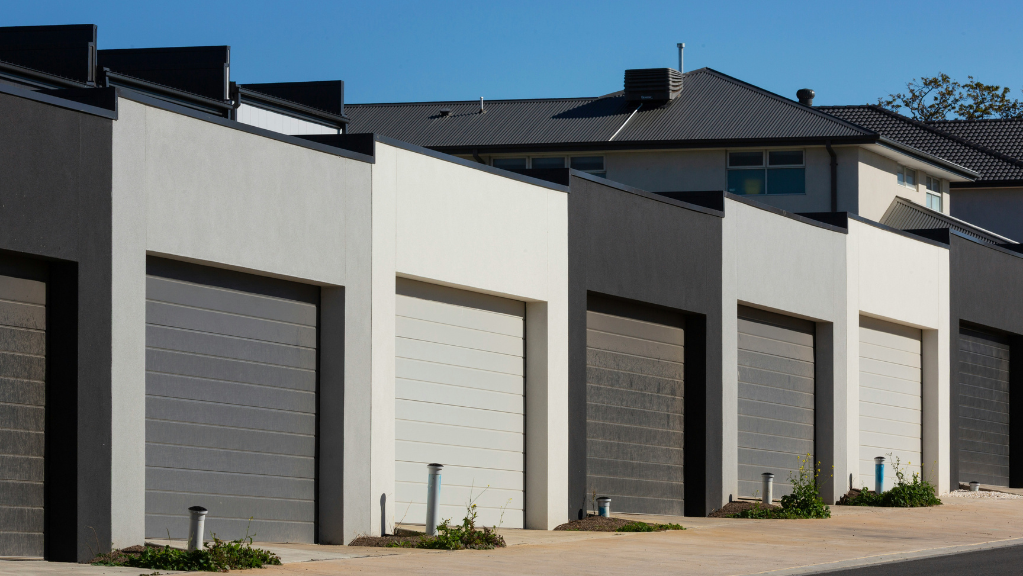
A beautifully styled property may impress during an inspection, but long-term satisfaction often comes down to functionality.
Features that can improve everyday living include:
- Energy-efficient appliances
- Adequate storage
- Secure parking
- Functional floorplans
- Air conditioning and heating
- Low-maintenance outdoor spaces
- Reliable internet connectivity
- Dedicated work-from-home areas
For households adopting hybrid work arrangements, practical features can be just as important as location.
Preparation Matters in a Competitive Market
Finding the right property is only part of the equation. Being prepared can also improve your chances of securing it.
Before you begin applying, have the following ready:
- Identification documents
- Proof of income
- Employment details
- Rental history
- References
Submitting a complete application promptly can help streamline the process and minimise delays.

Don't Compare Your Journey to Someone Else's
It's easy to feel discouraged when friends, family or social media make it seem like everyone else has secured their ideal property.
The reality is that every household's circumstances are different. The right rental for someone else may not be the right rental for you.
Rather than focusing on finding the "perfect" property, focus on finding one that supports your current needs, financial goals and lifestyle priorities. Often, the best rental decision is the one that provides stability and flexibility for the stage of life you're in right now.
Think Beyond the Next 12 Months
Before signing a lease, consider whether the property is likely to continue meeting your needs into the future.
Ask yourself:
- Will my household needs change?
- Is there potential for career or study changes?
- Will my commute remain practical?
- Can I see myself staying here for more than one lease period?
A long-term mindset can help avoid unnecessary moving costs and create greater stability.
Final Thoughts
When affordability is a challenge, deciding where to rent isn't simply about finding the lowest weekly rent. The most successful rental decisions consider the bigger picture, including location, commuting costs, lifestyle, convenience and long-term suitability.
By focusing on value rather than price alone, understanding your priorities and staying open to different opportunities, you can make more informed decisions and find a property that supports both your budget and your lifestyle.
Need Help Finding the Right Rental Property?
Every local rental market is different, and opportunities can vary significantly between suburbs, property types and price points.
PRD's Property Management teams work with renters every day and understand the factors influencing today's rental market. Whether you're actively searching, planning a future move or looking for insight into your local area, our teams can help you better understand your options and stay informed about opportunities that align with your needs.
Contact us to learn more about rental opportunities in your area.

FAQs: Renting on a Budget
How much of my income should go towards rent?
A commonly referenced guideline is around 30% of household income. However, everyone's circumstances are different. The most important consideration is whether your housing costs still allow you to comfortably cover everyday living expenses and achieve your financial goals.
Is it always cheaper to live further from the city?
Not necessarily. Lower rent can sometimes be offset by higher transport costs, longer commuting times and reduced convenience. Consider the total cost of living rather than rent alone.
What is the most important factor when choosing a rental property?
There is no one-size-fits-all answer. For some renters it's location, while for others it's affordability, schools, transport access, space or lifestyle. Start with your non-negotiables and work from there.
Are emerging suburbs worth considering?
Often, yes. Emerging suburbs can provide excellent value, access to improving infrastructure and less competition than more established areas.
What if I can't find anything within my budget?
Consider expanding your search area, exploring different property types, adjusting preferred features or investigating shared accommodation options. Flexibility can often create opportunities while still meeting your essential needs.