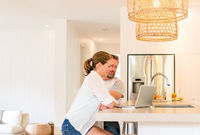


Why the modern Australian Family Home is about lifestyle, not just space




The traditional image of the Australian family home is changing. Where size and permanence once dominated decision‑making, today’s families are placing greater emphasis on lifestyle, functionality and flexibility. The modern family home is increasingly defined by how efficiently space is used, rather than by overall floor area.
This shift is influencing buyer behaviour across the market and reshaping expectations around design, location and long‑term value. Industry research from the Housing Industry Association (HIA, 2025), supported by long‑term ABS Building Activity data, highlights a growing preference for smart, efficient homes as affordability pressures, urban density and smaller lot sizes reshape how Australians live.
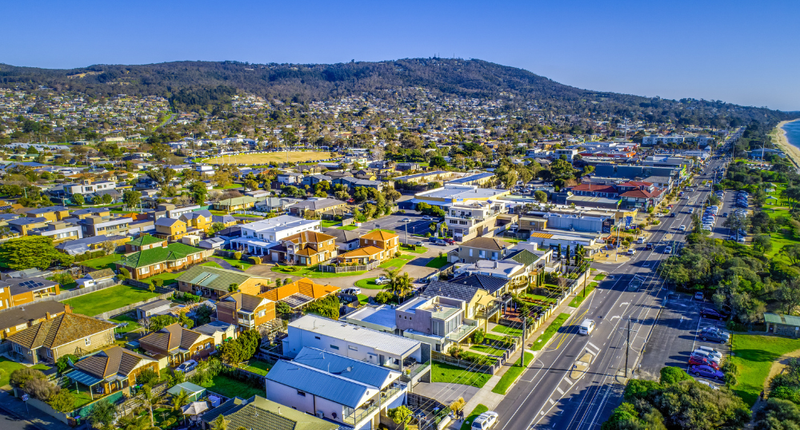
Lifestyle is leading housing decisions
Australian families are increasingly choosing homes that support how they live day to day. Proximity to schools, employment hubs, transport and community amenities is now often prioritised over extra bedrooms or expansive floor plans. This preference is reinforced by market performance: research cited by Domain shows that almost half of government school catchment zones recorded price growth faster than their surrounding suburbs, with most delivering up to 10 per cent additional growth.
Buyers are weighing commute times, access to services and lifestyle efficiency far more heavily than previous generations. As affordability pressures rise, many households are deliberately opting for smaller or more modest homes in well‑serviced locations rather than larger properties with higher ongoing costs and reduced flexibility.
This shift reflects a growing focus on balance between work, family and personal time, with housing choices increasingly driven by location, connectivity and long‑term liveability rather than size alone.
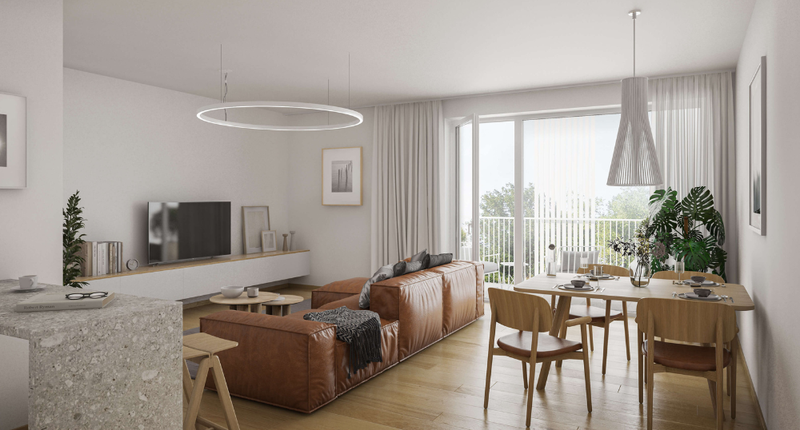
Flexibility is the new must‑have
As family structures and life stages evolve more rapidly than ever, flexibility has emerged as one of the most valuable attributes of the modern family home. This shift is occurring alongside structural changes in Australian families, with ABS data showing the total fertility rate fell from a peak of 2.02 babies per woman in 2008 to 1.70 in 2021, while the median age of mothers rose to 31.7 years, reflecting smaller households and later life stages shaping housing needs. Today’s buyers are thinking beyond their immediate needs and considering how a property will serve them over time.
Homes that can adapt to growing children, changing work arrangements, blended families or care for ageing parents are highly sought after. Multi‑purpose rooms, additional living areas and adaptable layouts offer families the ability to reconfigure spaces as needs change. A second lounge may become a home office, a playroom, or a guest retreat depending on the phase of life.
Rather than asking whether a home fits their lifestyle today, buyers are increasingly asking whether it has the capacity to evolve with them. This long‑term mindset places greater emphasis on layout quality, flow and future potential than on cosmetic features alone.

Working from home has changed everything
For many families, working from home is now a permanent part of life. This shift is underpinned by labour market data, with the ABS reporting that 36% of employed Australians usually worked from home in August 2025, signalling that flexible working arrangements are now a lasting feature of modern work patterns. This has elevated the importance of quiet zones, dedicated study areas and flexible workspaces.
The demand isn’t limited to large homes; well‑designed spaces with good separation, lighting and acoustics are often sufficient. As a result, buyers are carefully assessing floor plans rather than focusing solely on bedroom counts.
Homes that can comfortably support work‑from‑home arrangements are widely seen as more future‑proof.
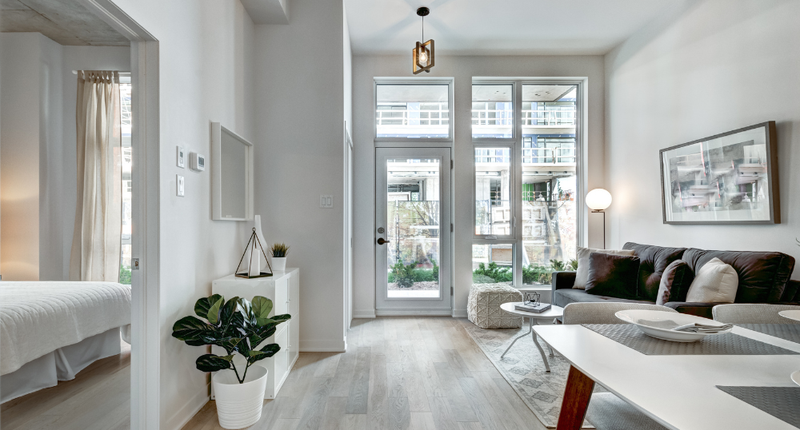
Rethinking multigenerational living
Affordability pressures and changing demographics have led more families to explore multigenerational living arrangements. However, modern households are approaching this with clear boundaries in mind.
Rather than shared living across all areas, families are prioritising semi‑independent spaces that allow connection without compromise. Homes with separate entries, self‑contained zones or the potential for conversion are increasingly appealing. Demand for these flexible layouts is growing, with PropTrack analysis of realestate.com.au data showing searches for ‘dual income’ properties increasing by 72 per cent in 2025, alongside strong growth in ‘dual occupancy’ and ‘dual living’ searches, reflecting rising interest in multi‑use homes.
This approach supports financial flexibility while maintaining personal privacy, a key consideration for modern families.

From static ownership to evolving housing journeys
Australian families are also adopting a more fluid and realistic approach to property ownership. The idea of purchasing a single “forever home” is giving way to a more dynamic housing journey that evolves alongside life circumstances. This evolving mindset aligns with national mobility trends, as ABS data indicates almost two in five Australians move every five years, with the average person relocating around 13 times throughout their life, reinforcing housing as an ongoing journey rather than a fixed destination.
Upsizing for growing families, renovating to improve functionality, downsizing as children leave home or relocating for lifestyle and work opportunities are increasingly seen as normal, strategic decisions rather than failures to plan ahead. This shift has reduced pressure on buyers to make perfect, once‑in‑a‑lifetime choices and encouraged more confident, informed decision‑making.
Home ownership is now viewed as an adaptable strategy, one that responds to change rather than resisting it.

The New Definition of the Family Home
The family home remains central to Australian life, but its role has undeniably evolved. Today’s buyers value homes that are practical, flexible and aligned with how they actually live, rather than aspirational ideals rooted in size alone.
As housing priorities continue to shift, the most successful properties will be those that prioritise liveability, adaptability and long‑term relevance. These homes support families through change, reduce daily friction and enhance overall wellbeing, helping Australian families not just live, but live well.
Thinking about your next move now or down the track?
Whether you’re upsizing, downsizing or simply planning ahead, your local PRD agent can help you make sense of what’s next. No pressure. Just clear, local advice that fits your lifestyle.